Reading Help
Dyslexia Reading Help: The Five Skills Behind Learning To Read
Reading is built on a handful of skills. Dyslexia makes the earliest ones hard (hearing the sounds in words, linking sounds to letters and blending them into words), and that slows everything built on them, including reading fluently. Dr Lauren Crumlish (PhD), Certified Practising Speech Pathologist, teaches all five online to children and teenagers up to 18, across Australia. Sessions are $193. Every child starts with an assessment. Where reading or spelling is the concern it is $890 or $1,290.

The Five Skills Of Reading, In The Order They Are Taught
A child struggling to read is usually stuck on one skill, and everything after it waits. Reading research groups what a reader needs into five areas: phonemic awareness, phonics, fluency, vocabulary and comprehension. This page sets them out the way they are taught to a child with dyslexia, with letter and sound work split into its two steps and vocabulary placed with understanding.
Dyslexia is a difficulty with reading and spelling words. It is most often due to trouble processing the sounds of spoken language , not to eyesight or intelligence. That is why the first three skills are where teaching for dyslexia starts, and why the treatment the evidence supports is explicit teaching of the link between sounds and letters.
1. Hearing the sounds in words
Before letters come sounds. A reader has to hear that the spoken word “ship” is three sounds, sh, i and p, and be able to pull them apart and put them back. This is phonemic awareness. It is done with the ears and the mouth, with no print involved, which is why it sits in a speech pathologist’s field.
When this is the weak link: your child finds it hard to say the first or last sound in a word, or to break a short word into its sounds. Ask what “ship” becomes without the “sh” and they are stuck. Rhymes may not come easily. The guide to dyslexia and spoken language explains this skill in full.
2. Linking sounds to letters
Next, each sound is tied to the letter or letters that spell it: first the single letters, then pairs such as sh, ch and ee. This is the alphabetic code, and it is taught in a set order, a few links at a time, with constant review.
What you notice: your child knows a letter one day and not the next, or mixes up letters whose sounds are close. They look at the first letter and guess the rest of the word.
3. Blending sounds into words
Blending is saying the sounds for the letters in order and hearing the word they make. With phonics teaching it is how a child reads a word they have never seen. A child who cannot blend is left to memorise words as shapes, and memory runs out.
What you notice: your child sounds out c, a, t correctly and then says a different word. They read words they have memorised and stop at new ones. Made-up words, such as “vop”, are much harder for them than real ones.
4. Reading fluently
Fluency is reading accurately, at a good pace and with expression. It comes after accuracy, not instead of it. A child who is still working out each word has little attention left for what the sentence means.
What you notice: your child gets the words right, but slowly and one at a time, in a flat voice. A page tires them, and they avoid reading when they can.
5. Understanding what is read
Understanding is the point of reading. It depends on two things at once: reading the words, and knowing what those words and sentences mean. Vocabulary sits here.
What you notice: your child reads a page aloud and cannot tell you what happened in it. Whether that is dyslexia depends on what happens when you read the same page to them, which is covered below.
By Stage Of School
What Reading Help Works On At Each Stage Of School
Teaching starts at the first skill that is not secure, whatever year a child is in. A child in Year 4 who cannot blend starts at blending. The year levels below show where the work usually sits when it begins early.
-
The first year of school
Sounds in spoken words, the single letters and their sounds, and blending short words such as “sat” and “pin”. This is the easiest time to start.
-
Years 1 to 2
The rest of the code: sounds spelled with two or more letters, and the several spellings one sound can have. Blending moves to longer words, and fluency practice begins on decodable books, which use only the links already taught.
-
Years 3 to 6
Longer words, read by syllable and by word part, such as prefixes and endings. Fluency on school-level text, and the vocabulary and sentence knowledge that understanding depends on. Any gap from the earlier stages is taught first.
Why the first years are the easiest time to start is set out in the guide to early intervention for dyslexia . For high school students, see dyslexia therapy for teenagers .

Fluency
Reading Fluency: Right Words, Read Slowly
Fluency has three parts: accuracy, pace and expression. Where slow reading comes from inaccurate word reading, the answer is more teaching of sounds and letters, not a stopwatch. Where a child is accurate and still slow, fluency is practised directly, on decodable books or other text the child can read.
-
Accuracy first, then pace
-
Reading aloud to an adult who models and corrects
-
Rereading a short passage the child can read with very few errors
-
Text matched to the links already taught
Comprehension
Reading Comprehension: Not Always Dyslexia
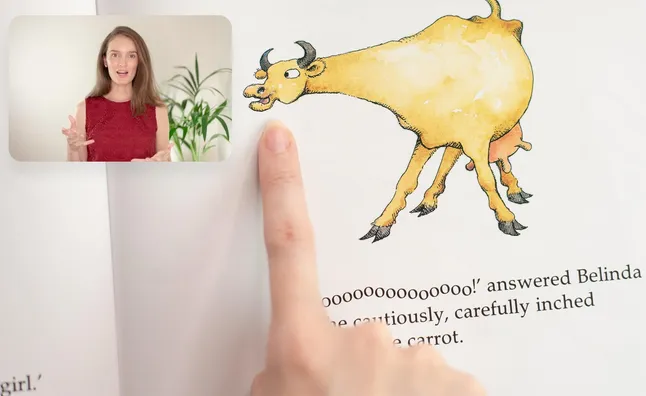
Read a page aloud to your child, then ask what happened. A child with dyslexia usually understands a story they hear and loses it when they have to read it, because word reading takes all their effort. A child who reads the words accurately and still misses the meaning most often has a difficulty with language, not with decoding. The ASHA guide to written language disorders lists both causes. Both are a speech pathologist’s work, and the first assessment separates them.
-
Understands when read to, struggles alone: word reading is the weak link
-
Reads accurately, misses the meaning: language is the weak link
-
Both at once: each is taught
How Reading Help With Dr Lauren Works
What does the first assessment look at?
Every child starts with an assessment. Where reading or spelling is the concern it is $890 or $1,290. The first assessment shows which of the five skills are secure and which one teaching starts from. It is not a diagnosis: a formal dyslexia diagnosis is usually made by a psychologist, and a child does not need one to start reading help. What the assessment covers is set out under the first assessment.
How is reading practised by video?
Sessions are by video. Your child and Dr Lauren see and hear each other and look at the same page on a shared screen. Your child reads aloud, so every word is heard, and an error is corrected at the moment it happens. With a young child, a parent takes an active part in every session. Sessions are typically weekly to fortnightly. Your child needs a device with a camera and a microphone, and a quiet place to sit. The steps from application to regular sessions are on how online dyslexia therapy works, and what a parent can do between sessions is in the guide to helping at home.
What is measured, and how is progress reviewed?
Progress in reading is measured, not guessed. The measure matches the skill being taught, and can include:
| Skill being taught | What is measured |
|---|---|
| Sounds in words | How accurately a child splits and blends the sounds of spoken words |
| Letters and blending | How many taught letter and sound links are known, and how accurately real and made-up words are read |
| Fluency | Words read correctly in a minute on a passage |
| Understanding | What a child can retell and answer after reading |
Dr Lauren compares these with where your child started at the first assessment and tells you plainly what has moved and what has not. Dyslexia is lifelong, and no one can promise how quickly a child’s reading will change. What the evidence supports, in the words of healthdirect, is that people with dyslexia can improve their reading and spelling skills.
Who teaches your child?
Dr Lauren Crumlish holds a PhD from The University of Queensland, where her thesis received the 2024 Dean’s Award for Outstanding Higher Degree by Research Theses, and she is a Certified Practising Speech Pathologist. She is the only clinician: the person who assesses your child is the person who teaches them, whether a family calls it therapy or reading tutoring. She uses the title Dr because of her PhD and is not a medical practitioner. Read more about Dr Lauren.
Reading and spelling are taught together because they run on the same links between sounds and letters. If written work is the larger worry, see how spelling is taught.
Sources
- Five from Five, The five keys to reading, with its pages on fluency, comprehension and understanding dyslexia
- ASHA Practice Portal, Written Language Disorders
- healthdirect, Dyslexia (last reviewed December 2024)
Fees
What Reading Help Costs
Every child starts with an assessment. Where reading or spelling is the concern it is $890 or $1,290.
Reading help sessions
Session
45 minutes of therapy, plus 15 minutes of preparation and notes
$193
The first assessment
-
$890
Mid-Length Assessment
A focused look at reading, spelling and the language underneath
-
$1,290
Long Assessment
A fuller look at both language and literacy
A Medicare rebate may apply with a doctor’s referral, for a limited number of sessions a year, if your GP decides your child is eligible. Dr Lauren is not NDIS registered; self-managed and plan-managed participants are welcome. The detail is on fees and funding .

Reading Help Questions
Reading Help Questions, Answered
How do you teach a dyslexic child to read?
By teaching the link between speech sounds and letters explicitly, in a set order, with a great deal of practice. A child with dyslexia is taught to hear the sounds in a spoken word, to know which letters spell each sound, and to blend those sounds to read the word. Fluency and understanding are built on top. Children with dyslexia need the same teaching as other children, with more intensity and many more chances to practise.
Is a reading difficulty always dyslexia?
No. Reading difficulties and reading disabilities are broad terms that cover any child who is behind in reading. Dyslexia is a difficulty reading and spelling words, with a core problem in processing speech sounds. A child can also struggle to read because of a language difficulty, gaps in what they know about the topic, or teaching that has not yet covered the code. An assessment of reading, spelling and spoken language shows which it is.
What is the difference between dyslexia and a reading comprehension disorder?
Dyslexia is a difficulty reading the words. A reading comprehension difficulty is trouble understanding text even when the words are read accurately, and it usually comes from spoken language: vocabulary, sentences and following a story. A child with dyslexia often understands well when someone reads to them. Some children have both, and each needs its own teaching.
What is a reading intervention?
A reading intervention is extra teaching for a child who is behind in reading, on top of classroom lessons. A sound one starts from an assessment, teaches the missing skill explicitly and in order, gives daily or weekly practice, and measures progress. For dyslexia, the teaching that has evidence behind it is structured, systematic phonics.
What reading strategies help a child with dyslexia?
The strategy that helps is sounding out every word from left to right, all the way through. Guessing from the picture or the first letter is the habit to move away from. Beyond that: reading aloud to an adult who corrects gently, decodable books made of the letter and sound links already taught, and rereading a short passage until it is smooth. Listening to stories keeps vocabulary growing while reading catches up.













Work With Dr Lauren
Apply Now
Dr Lauren works with a small number of families and has limited availability. Tell us about your child and our team will review your application.
Apply Now- Online Across Australia
- Reading And Spelling
- Children And Teenagers
- PhD Speech Pathologist